
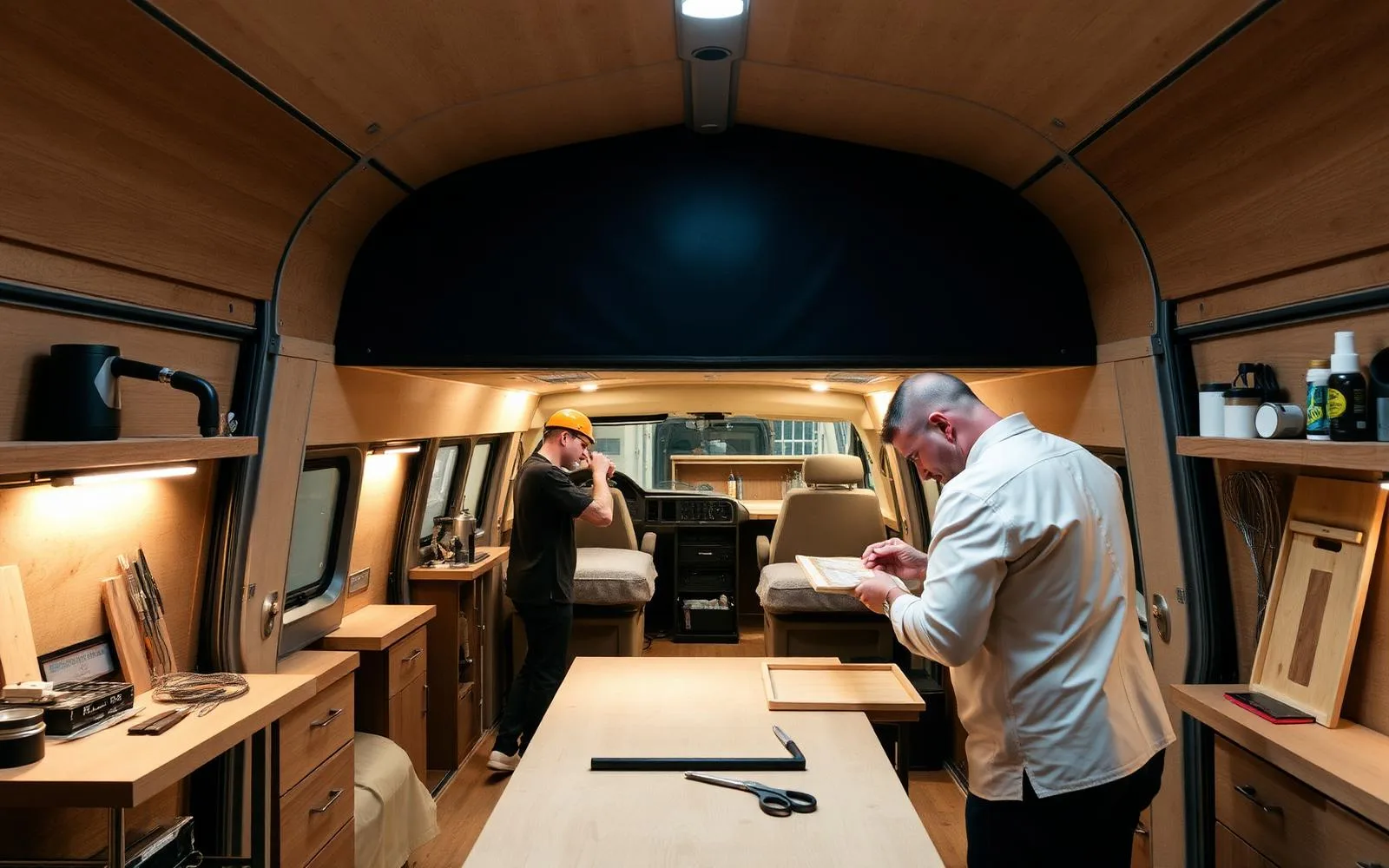
Bespoke caravans, built to your brief.
A private commission means every millimetre answers to you. Motohom's atelier turns your brief into a rolling residence.
Design, engineering and finishing — under one roof.
Most caravan builders assemble. We design the layout, engineer the systems, fabricate the body and finish the interior in the same workshop, with the same team accountable from first sketch to handover.
That vertical control is why our own rental fleet is built here too. Everything we learn from a hundred caravans running across India goes straight back into the next commission.
Five stages, none of them rushed.
From our design studio to the open road, every Motohom passes through hundreds of hours of craftsmanship and testing.
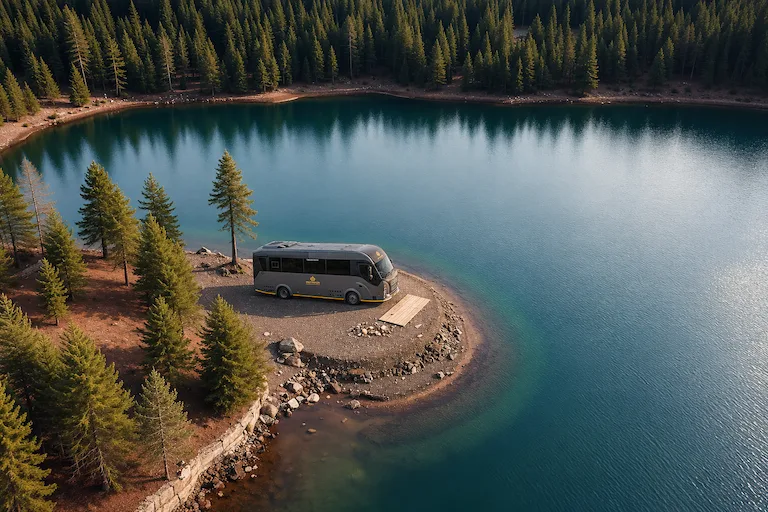
Design
Concept sketches, mood boards and layout studies with our in-house designers, resolved before a single panel is cut.
Engineering
Structural, electrical and thermal engineering tuned for Indian terrain — load paths, power budget and heat, solved together.
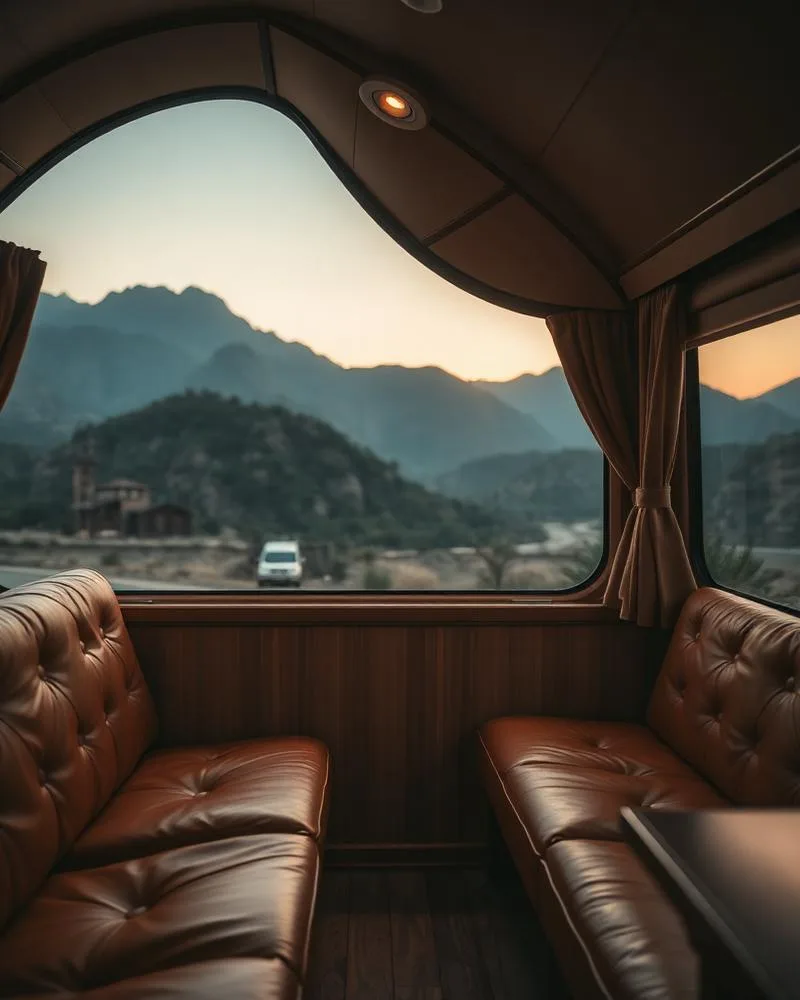
Interiors
Materials curated from Italy, Japan and India, then cut, fitted and finished by hand in our own workshop.
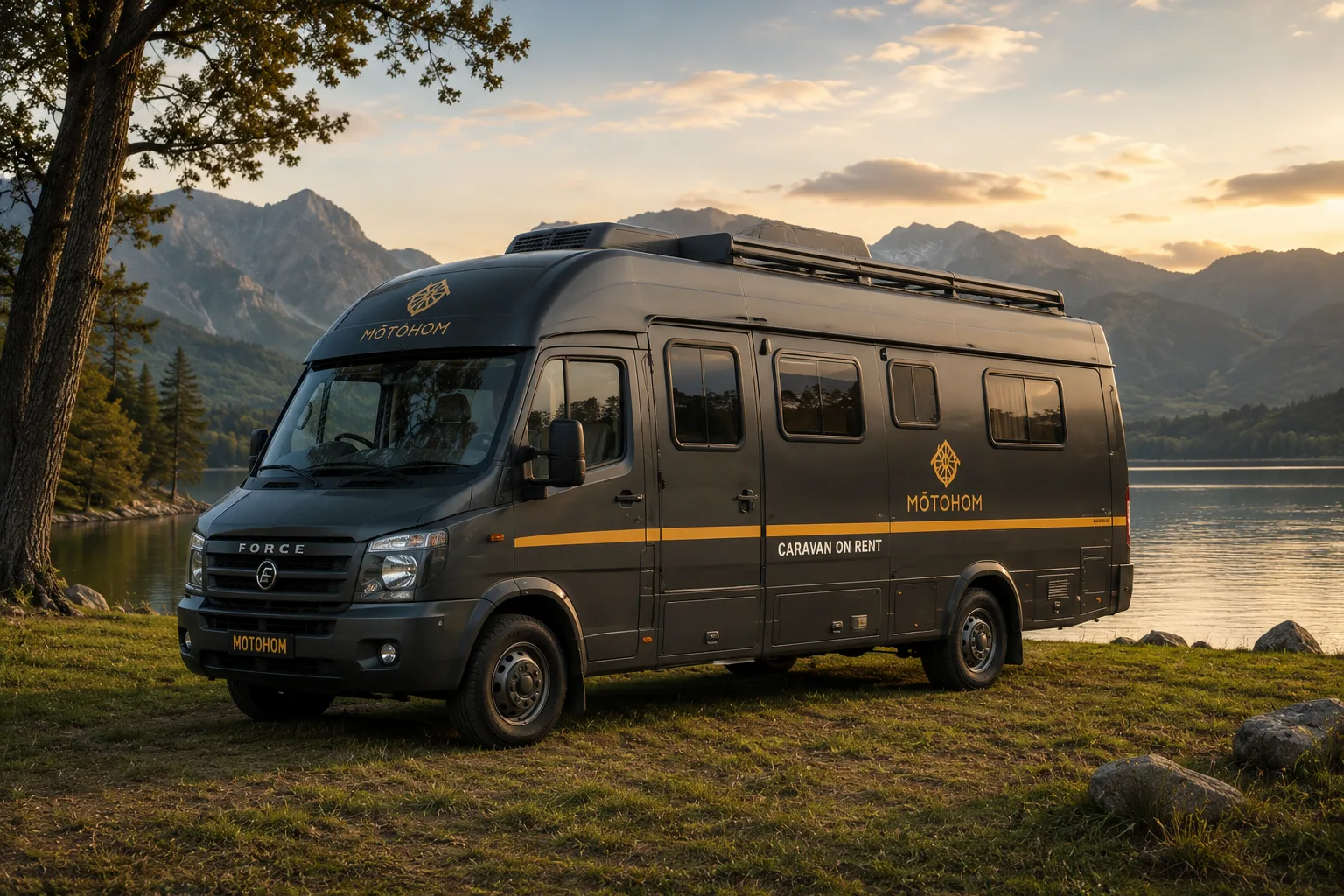
Testing
Loaded road testing across the surfaces the caravan will actually meet, with systems run continuously through the cycle.
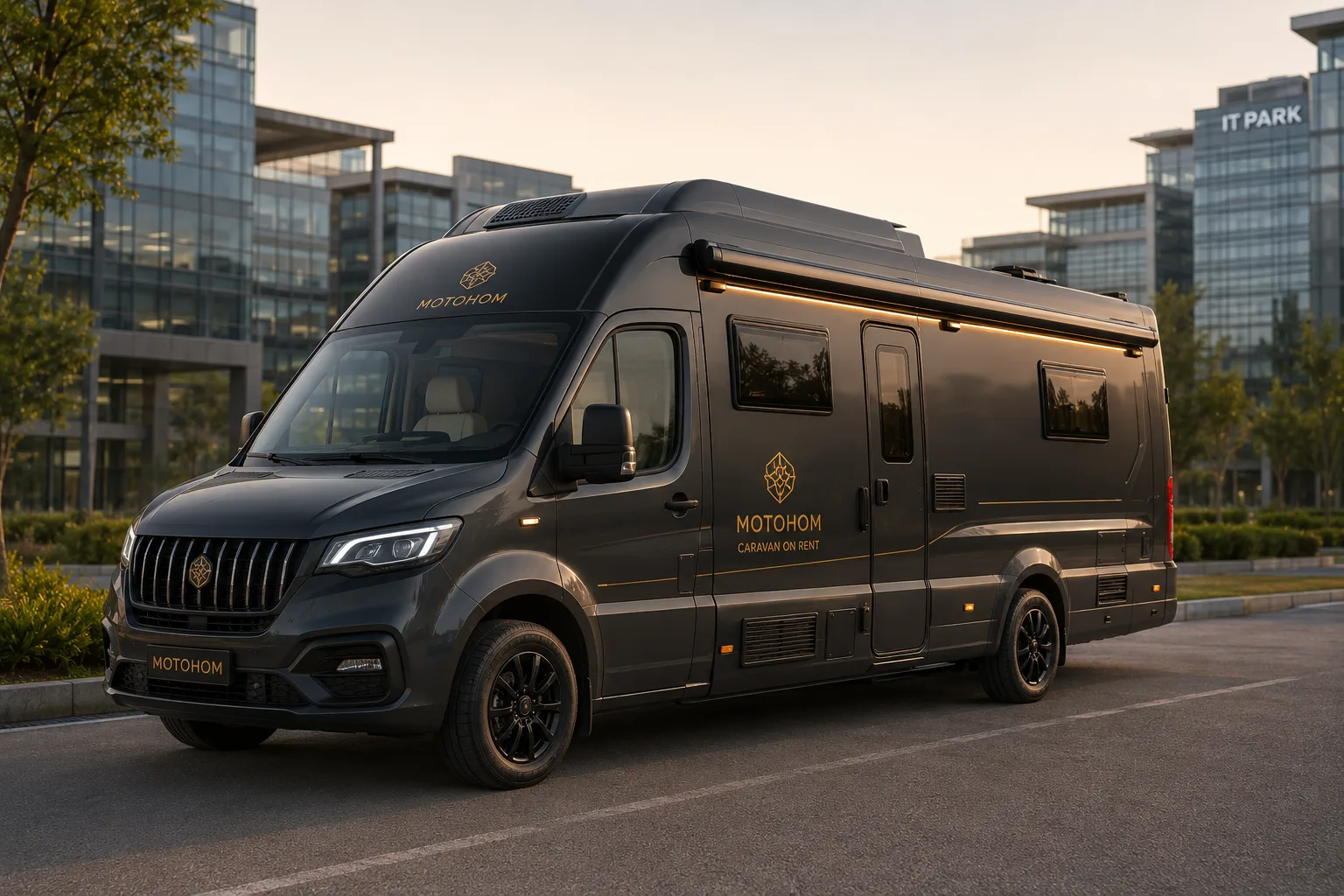
Delivery
Road-tested, certified and handed over with a full walkthrough so every system is understood before you leave.
If a finish cannot survive an Indian road honestly, we do not offer it — however well it renders.
The same cabin, four months apart.
Drag the handle. Left is the shell on our workshop floor; right is the interior that left on a lorry.
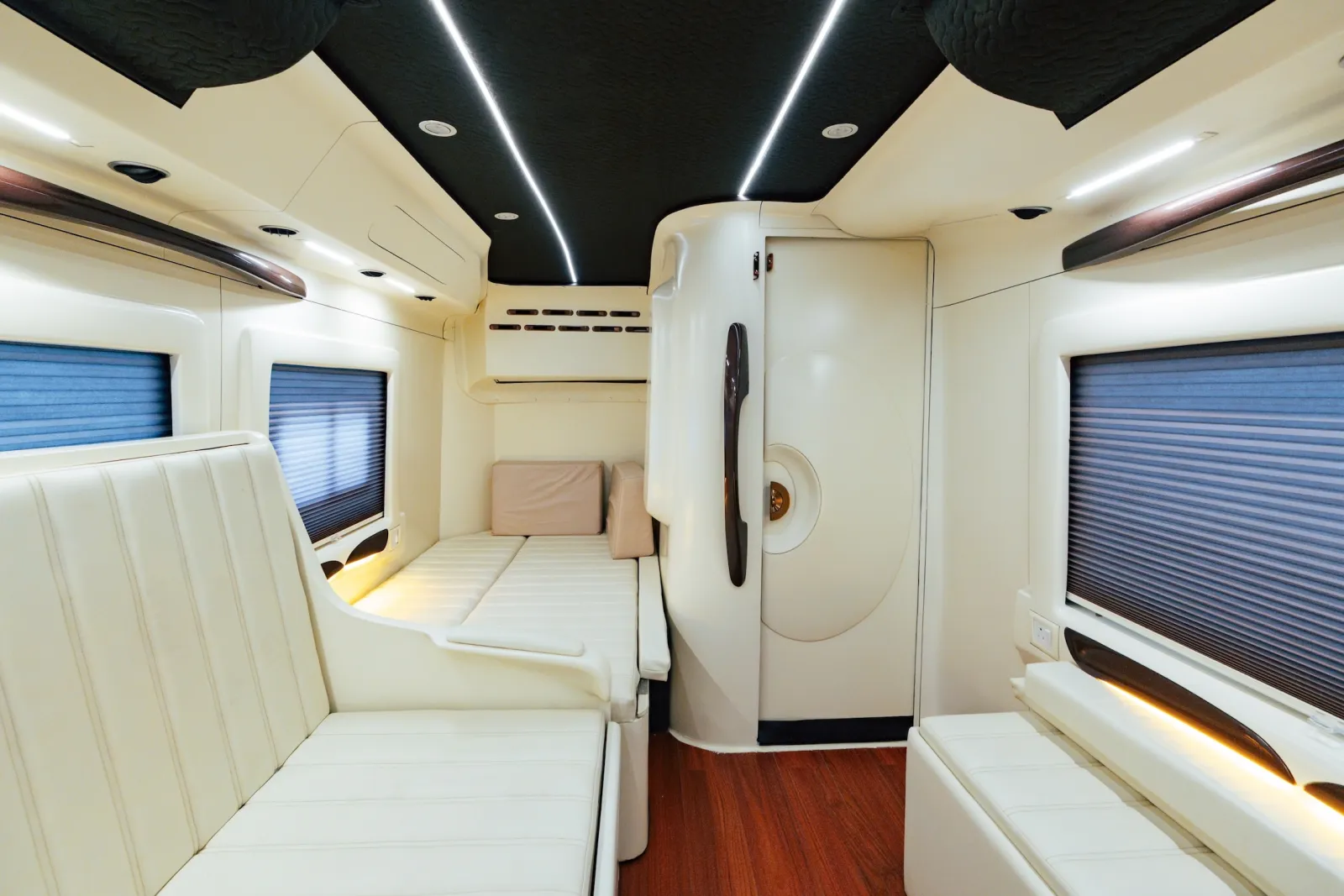
Four problems we solve before styling anything.
Built for the roads that exist
Suspension, chassis reinforcement and ground clearance are specified against Indian highways, hill passes and unsurfaced approaches — not a European touring standard.
Power that survives a week off-grid
Deep-cycle storage and inverter capacity are sized to the actual draw of the cabin, so climate control and cooking do not compete for headroom.
Thermal comfort in both extremes
Insulation, glazing and airflow are engineered for a desert afternoon and a Himalayan night, because the same caravan will see both within one season.
Serviceable by the people who built it
Systems are laid out for access, and every unit is documented at build. Repairs happen in our workshop, not at a dealership that has never seen one.
Chosen to age well, not to photograph well.
Leather that softens rather than cracks, timber veneers sealed against humidity, and hardware rated for a vehicle that moves — every material is specified for a decade of road use, not a showroom season.
Where a finish cannot survive Indian conditions honestly, we do not offer it, however well it would render in a brochure.
Your Motohom. Your way.
Eight decisions shape a commission. Everything else follows from them.
The regulations are the floor, not the finish.
State caravan tourism policies set out what a tourist caravan must carry before it can be registered. Every Motohom meets that list — and then keeps going.
Mandated by policy
- Sofa-cum-bed sleeping at least two
- Air conditioning throughout the cabin
- Separate driver-to-passenger communication system
- GPS, with real-time monitoring
- Toe-touch stabilisers for level parking
- Power wheel mover for positioning in tight bays
- Battery bank plus external hook-up capability
- Gas or electric water heating
- External barbecue points
- Mobile charging throughout
Fitted beyond it
- Separate grey-water and black-water tanks
- Eco-friendly waste treatment before discharge
- Refrigerator, microwave and a full working galley
- Rain shower and a proper dining table
- Audio, video and network connectivity
- Wheelchair-accessible provision on request
Requirements drawn from the Maharashtra Caravan Tourism Policy (2021) and the Kerala caravan tourism framework. Specific fitments vary by class and by the state a caravan is registered in — your build specification confirms exactly what is installed.
Three starting points, then it is yours.
Every commission begins from one of these and diverges as far as the brief requires — a touring motorhome, a production vanity van, or a bus-bodied home on wheels for a family.
| Specification | T-Class | M-Class | U-Class |
|---|---|---|---|
| Body type | Rigid | Rigid | Rigid |
| Approximate length | 6.5 m | 8.5 m | 8.5 m |
| Guests | 8 | 8 | 6 |
| Layout | Convertible lounge | Master suite + bunks | Executive lounge |
| Kitchen | Full kitchenette | Full kitchen | Compact galley |
| Bathroom | Ensuite wet room | Ensuite + rain shower | Ensuite wet room |
| Climate control | Roof AC + heater | Zoned climate control | Zoned climate control |
| Power | Battery bank + inverter | Battery bank + inverter | Battery bank + generator backup |
| Water | Grey + black separated | Grey + black separated | Grey + black separated |
| Connectivity | 4G router | 4G router | Satellite + 4G |
| Best suited to | Weekend escapes | Long journeys | Executive travel |
Configurations shown are standard builds. Berth count, galley layout and power capacity are all specified per commission — see the fleet for how these translate on the road.
Cabins we have already handed over.
Scroll to travel →
Cabin 01
Photographed as built
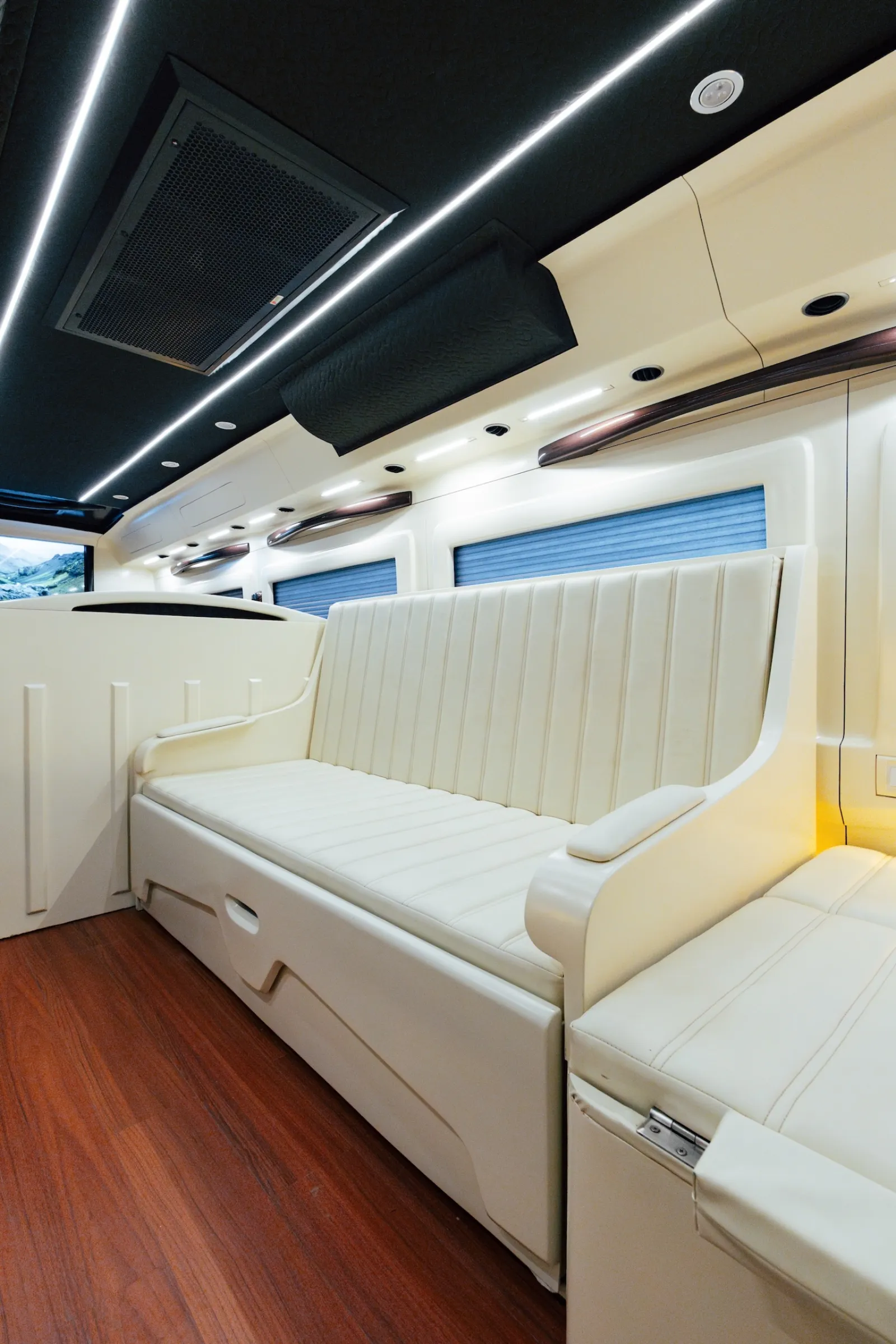
Cabin 02
Photographed as built
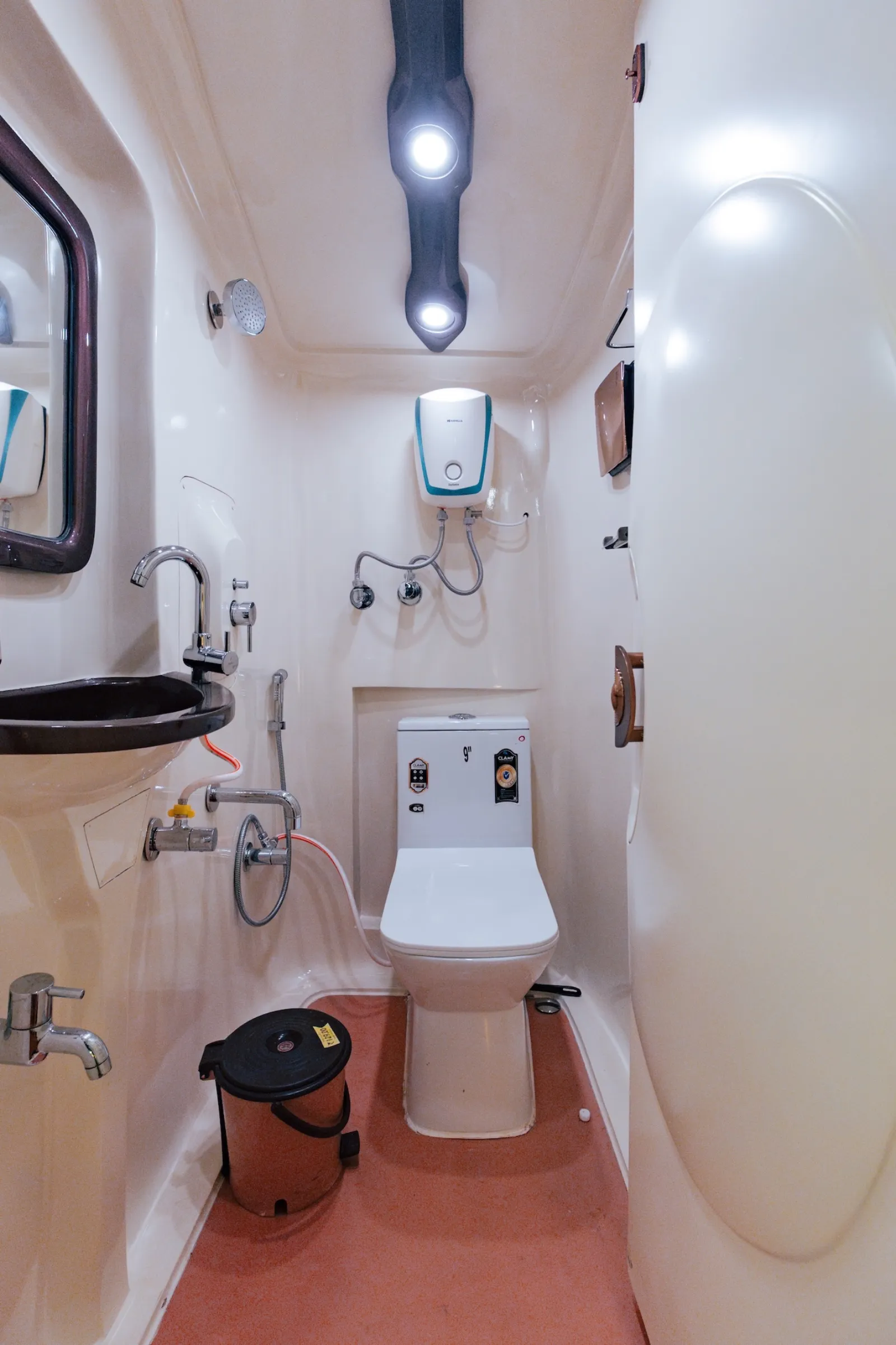
Cabin 03
Photographed as built
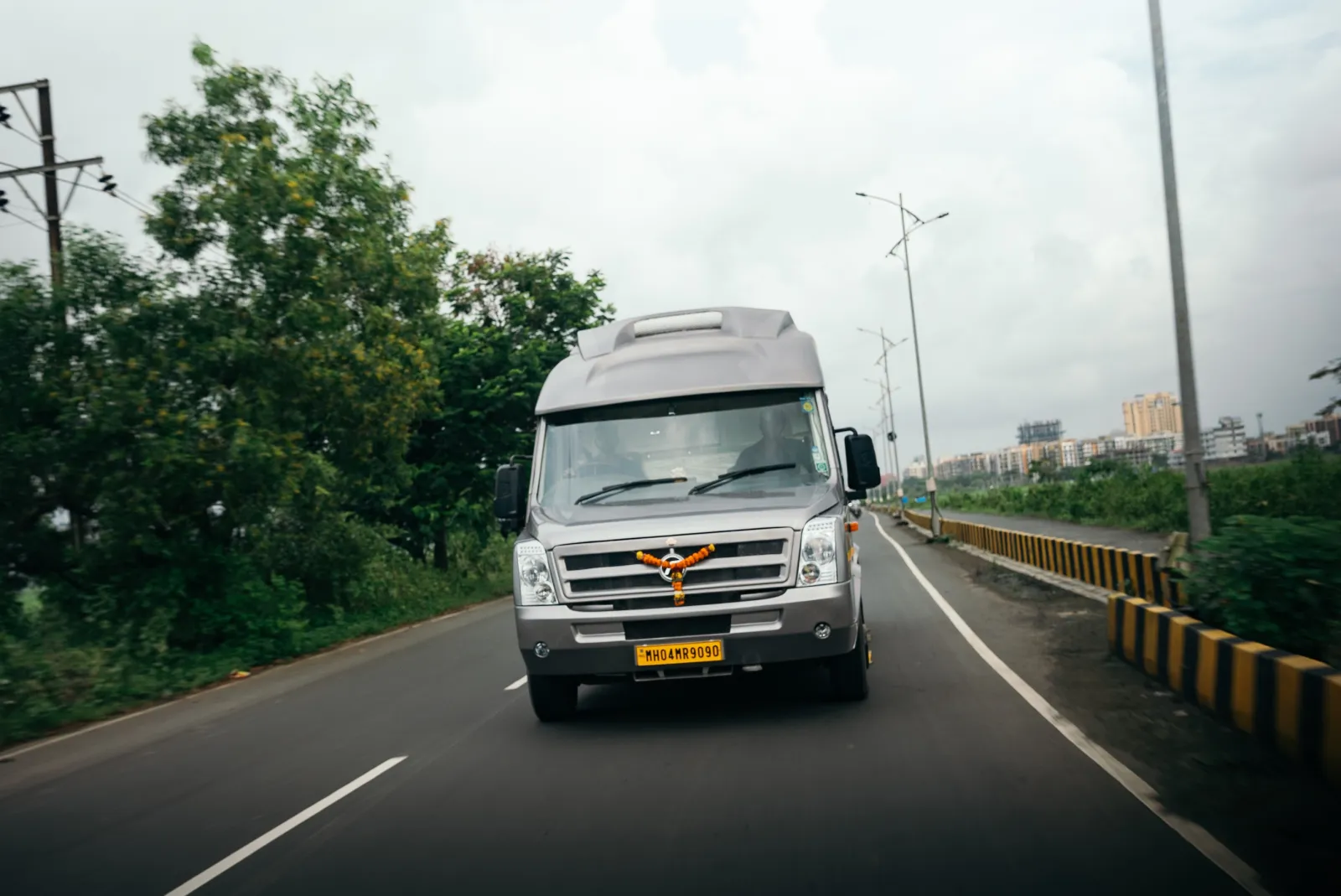
Cabin 04
Photographed as built
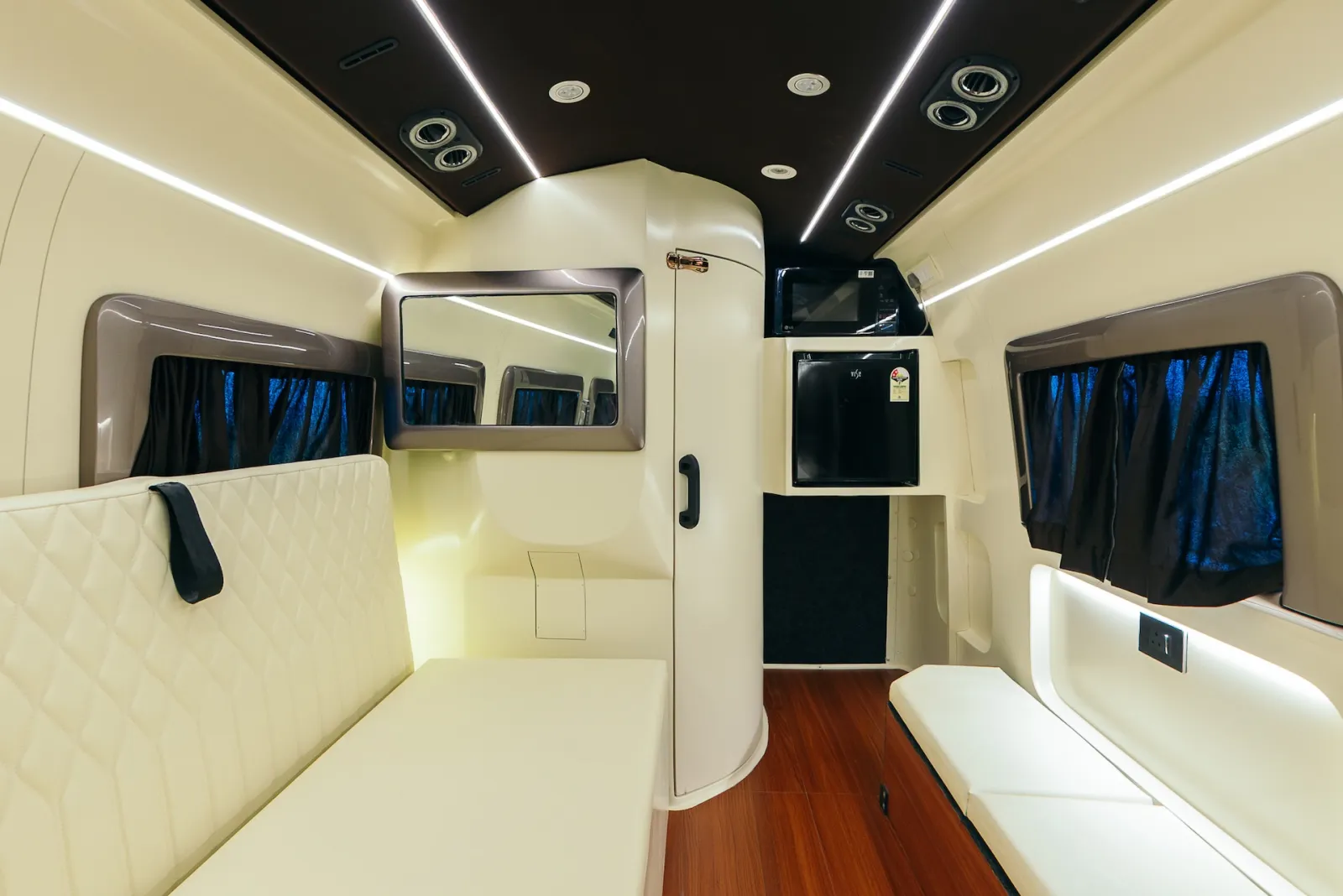
Cabin 05
Photographed as built
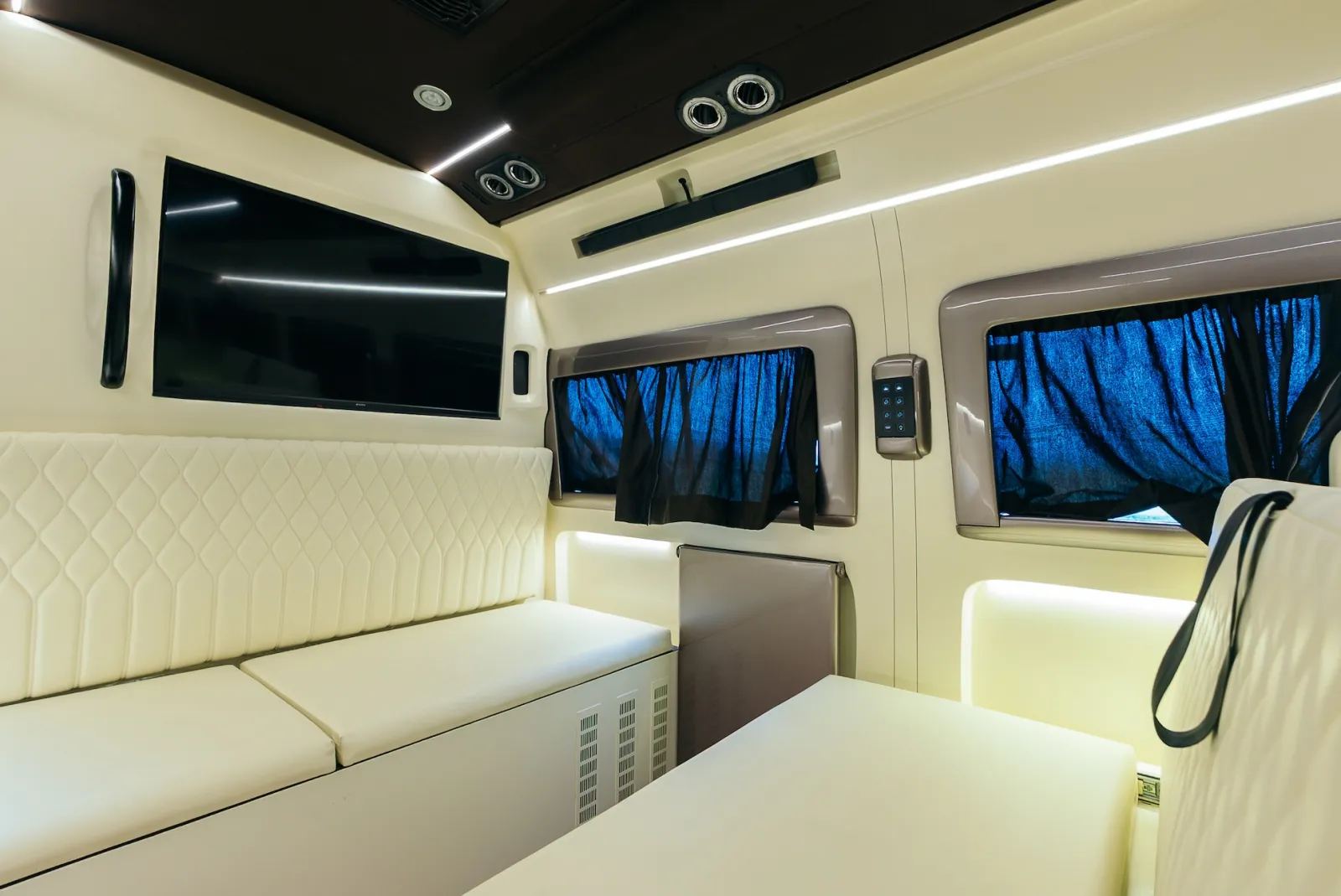
Cabin 06
Photographed as built
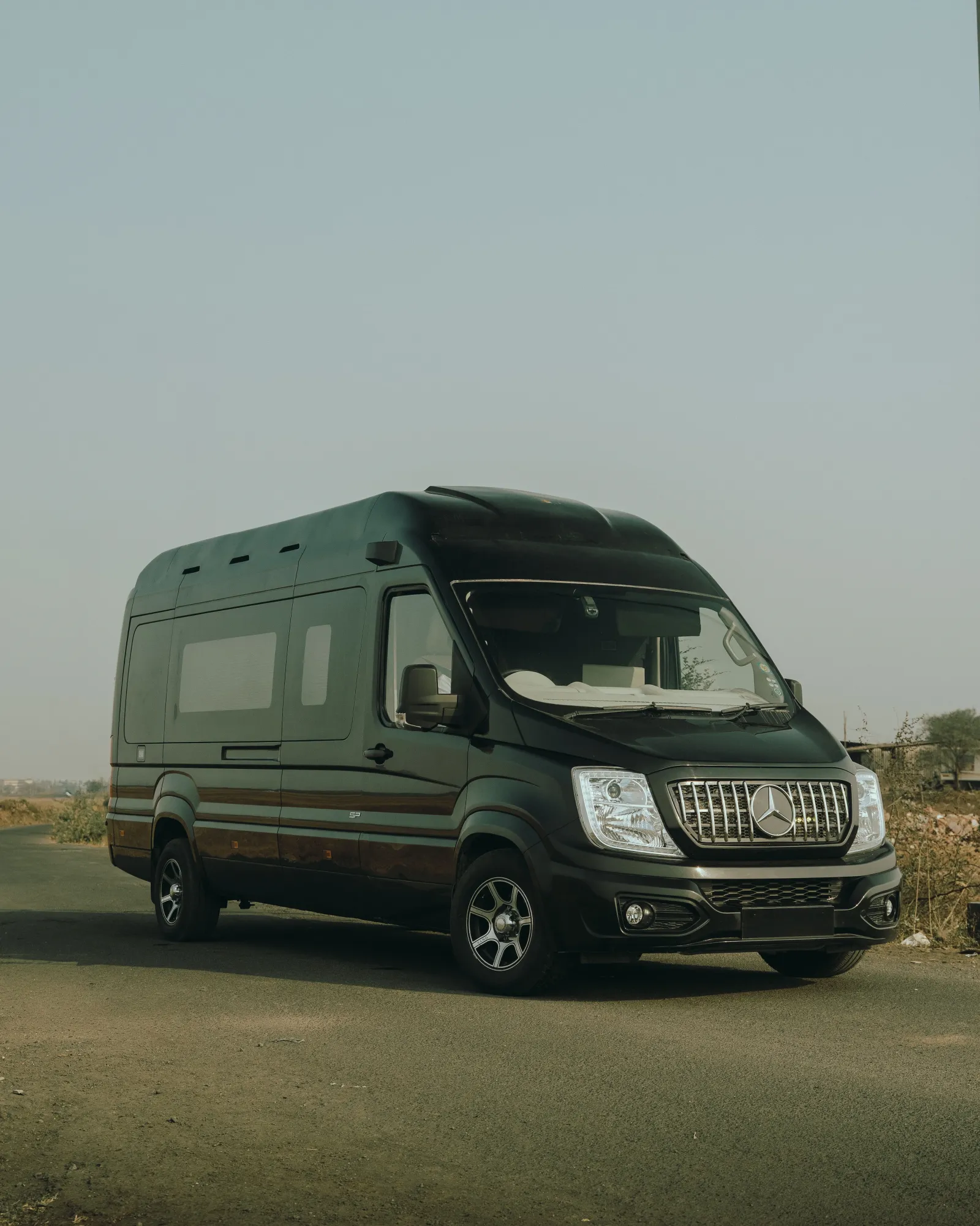
Cabin 07
Photographed as built
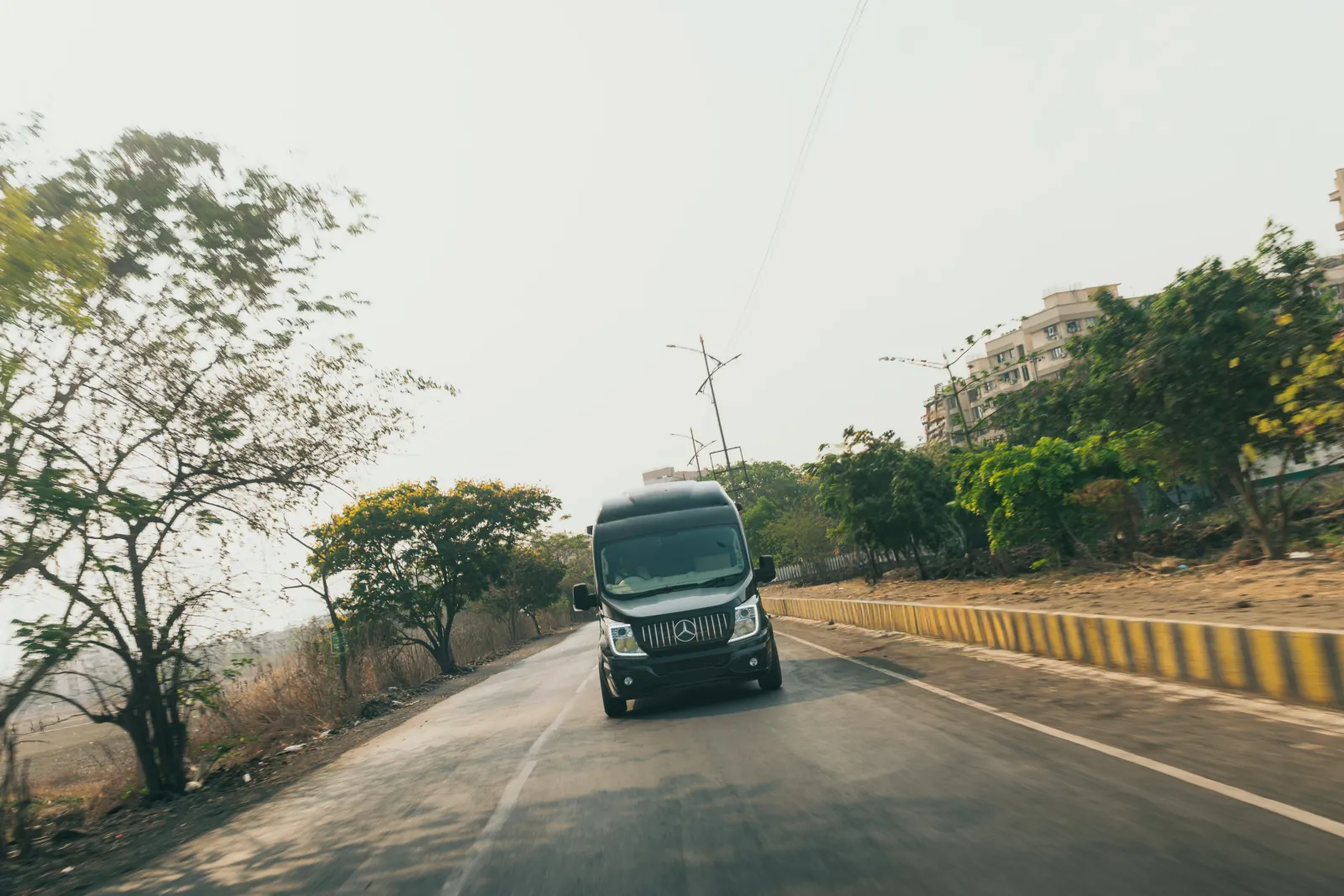
Cabin 08
Photographed as built
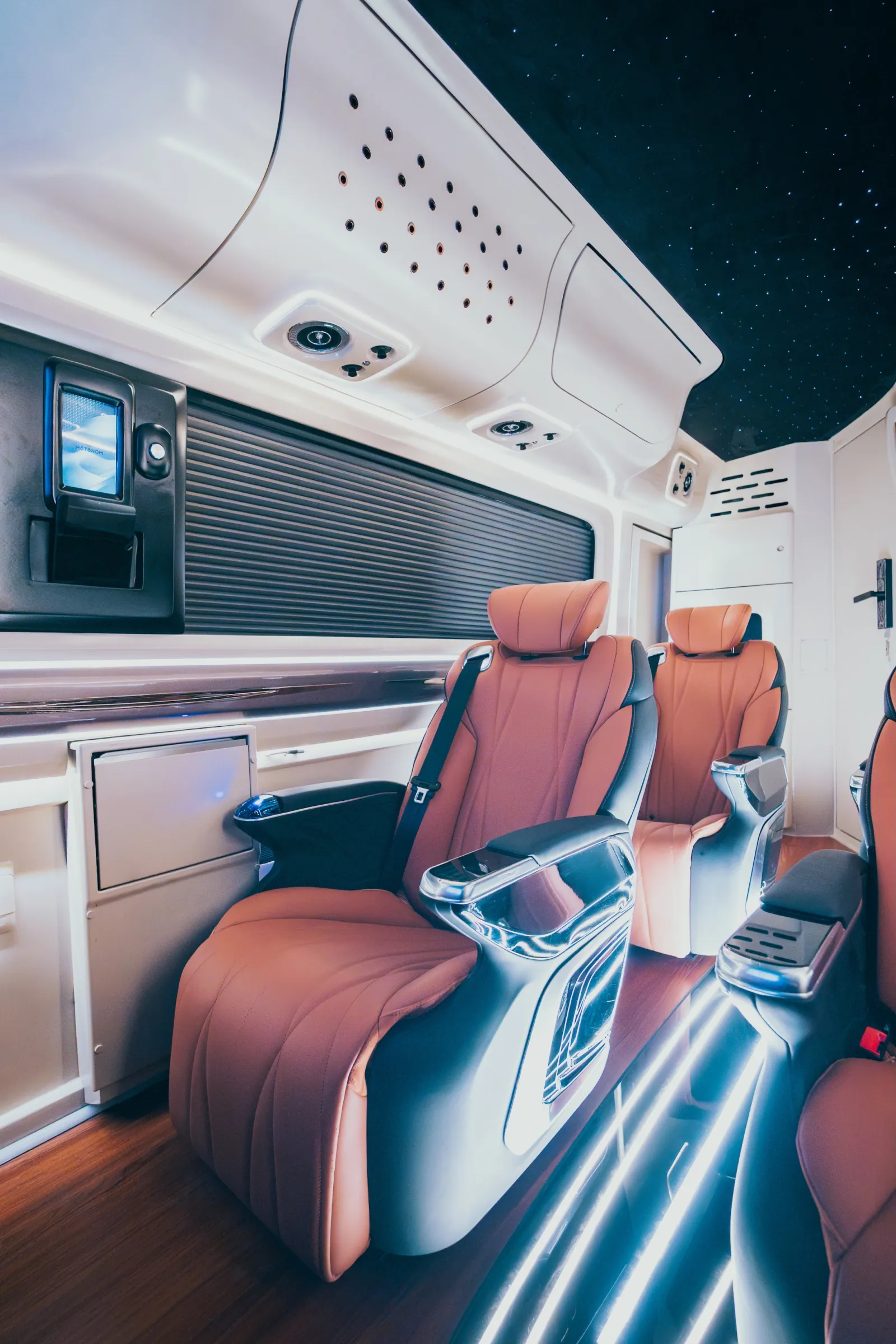
Cabin 09
Photographed as built
Before you brief us.
What clients ask most often between a first conversation and a signed specification.
Commission a Motohom.
Describe what you want to build — a rough brief is enough. Our atelier replies with feasibility, indicative cost and a build timeline.
Use the message field for your brief, base vehicle and budget range. Or write to us directly.
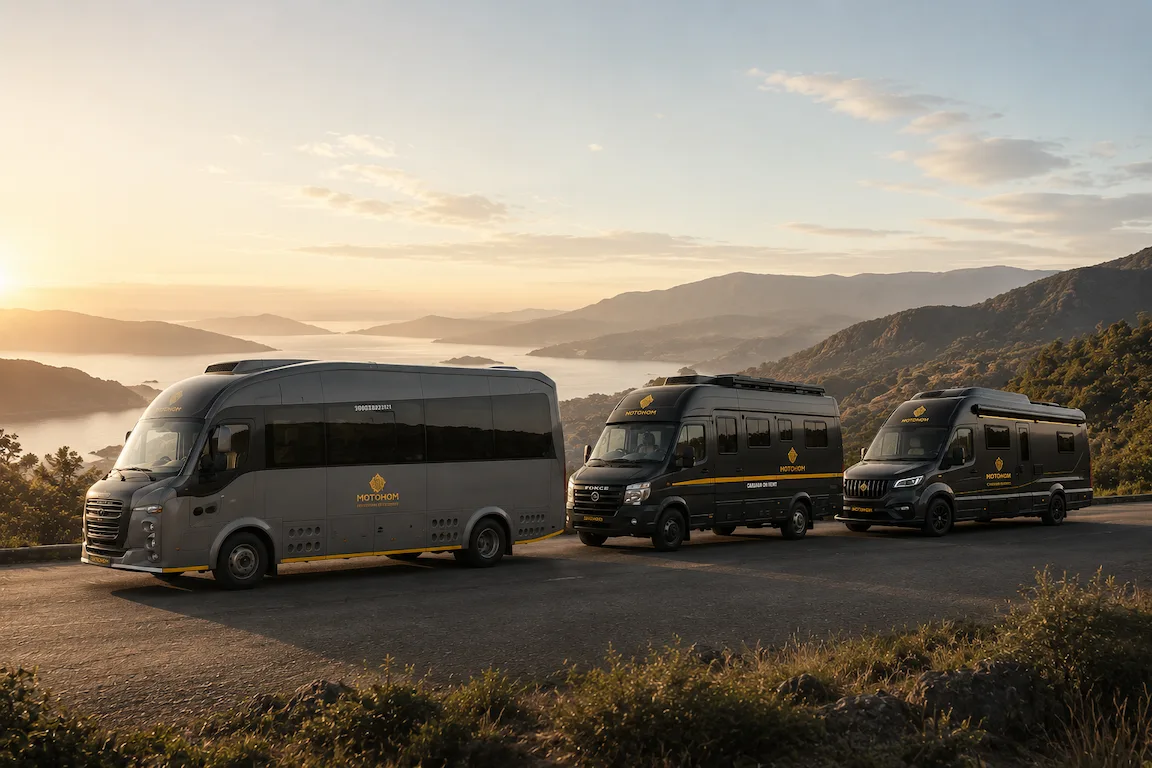
Every millimetre answers to you.
Bring us a brief, a base vehicle, or just an idea of how you want to travel.